The Hiking Man Hikes South Carolina

The Urban Trail Hiker
Hiking in South Carolina offers a diverse and scenic experience, from coastal lowlands and swamps to forested foothills and mountain trails in the upstate. In the Blue Ridge Mountains, Table Rock State Park and Caesars Head State Park feature challenging hikes with rewarding summit views, waterfalls, and lush hardwood forests. The Foothills Trail, stretching over 70 miles, showcases the natural beauty of the state's upcountry, including dramatic gorges and wildflower-filled valleys. Farther south, hikers can explore the unique ecosystems of Congaree National Park, where boardwalk and backcountry trails wind through one of the largest old-growth bottomland hardwood forests in the country. Whether seeking a coastal walk or a rugged mountain trek, South Carolina offers a rich variety of trails for every outdoor enthusiast.

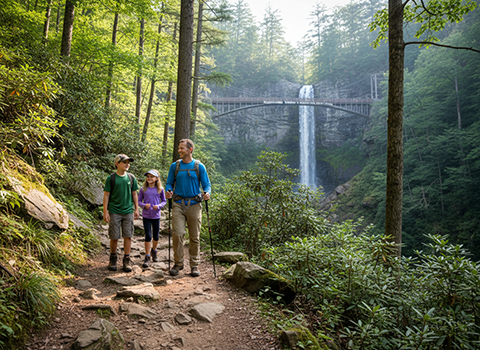
Raven Cliff Falls Trail (Caesars Head State Park)

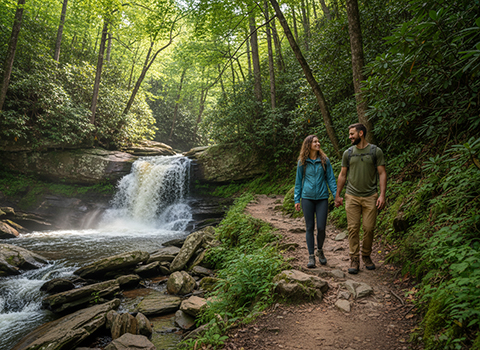
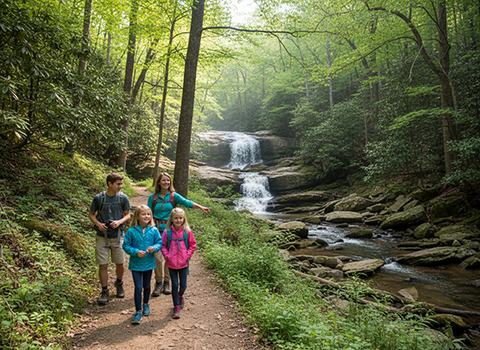
Hiking the Raven Cliff Falls Trail in Caesars Head State Park offers an immersive journey into the rugged beauty of the Blue Ridge Escarpment. The trail begins with a gentle descent through a hardwood forest filled with rhododendron, mountain laurel, and towering oaks, quickly introducing hikers to the cool, shaded environment that defines this route. As the path follows Matthews Creek, the sound of rushing water becomes a constant companion, setting a peaceful tone for the hike while hinting at the dramatic waterfall that lies ahead.
Raven Cliff Falls Trail

The trail gradually transitions into a more varied terrain, featuring footbridges, rocky sections, and occasional root-covered stretches that require careful footing. While not overly technical, the hike is moderately challenging due to elevation changes and the return climb, which can feel demanding late in the day. Along the way, hikers are treated to lush greenery, moss-covered rocks, and glimpses of cascading water, making the journey just as rewarding as the destination. Wildlife sightings are common, particularly birds and salamanders, adding to the sense of being deep in a thriving mountain ecosystem.

The highlight of the hike is Raven Cliff Falls itself, where water plunges dramatically through a narrow cleft in the rock face, dropping hundreds of feet into the gorge below. An observation platform allows hikers to safely take in the view, photograph the falls, and enjoy the cool mist rising from the gorge. The setting feels remote and awe-inspiring, making it easy to linger before beginning the uphill return. Overall, the Raven Cliff Falls Trail is a standout hike that combines scenic forest walking, a challenging but accessible route, and one of the most striking waterfalls in South Carolina.

Table Rock Trail (Table Rock State Park)

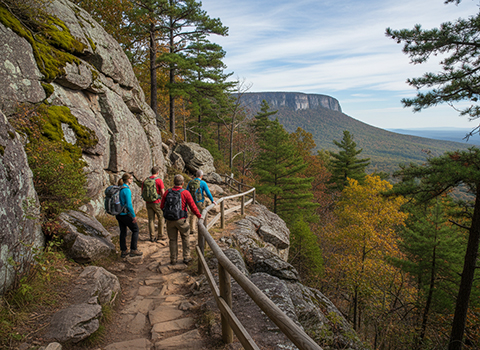
Hiking the Table Rock Trail in Table Rock State Park is a classic Upstate South Carolina adventure that showcases the dramatic terrain of the Blue Ridge Escarpment. The trail begins near the park’s visitor area and immediately sets the tone with a steady ascent through dense forest. Early sections wind through shaded hardwoods and pines, with occasional stream crossings and the sound of water filtering through the ravines. As elevation increases, the trail becomes rockier and more rugged, hinting at the demanding climb ahead.
Table Rock Trail

Midway through the hike, the trail grows noticeably steeper, featuring stone steps, exposed roots, and large rock slabs that require careful footing and steady pacing. This portion of the trail is physically challenging, especially during warm weather, but the effort is rewarded with expanding views through the trees and cooler mountain air. Along the way, hikers can spot seasonal wildflowers, moss-covered boulders, and signs of mountain wildlife, reinforcing the feeling of climbing into a more rugged alpine environment.

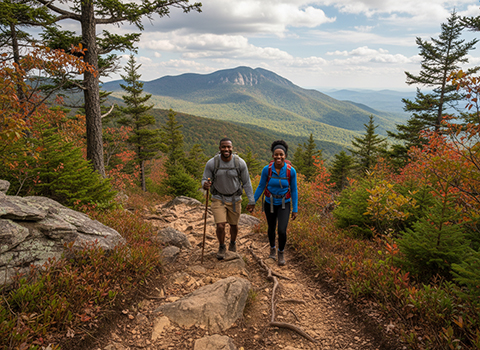
The summit of Table Rock is the undeniable highlight, offering sweeping panoramic views across the Piedmont and into the surrounding mountain ranges. From the rocky outcrops at the top, hikers can see forests stretching for miles, often accompanied by dramatic cloud formations or vivid sunsets. The exposed summit provides an ideal place to rest, refuel, and take photos before the long descent back down. Overall, the Table Rock Trail is a demanding but deeply rewarding hike, best suited for those seeking a challenging climb paired with some of the most impressive views in South Carolina.

Jones Gap Trail (Jones Gap State Park)

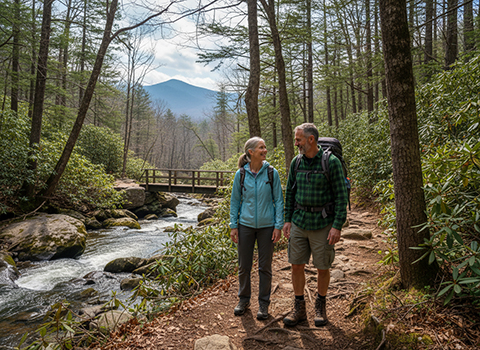
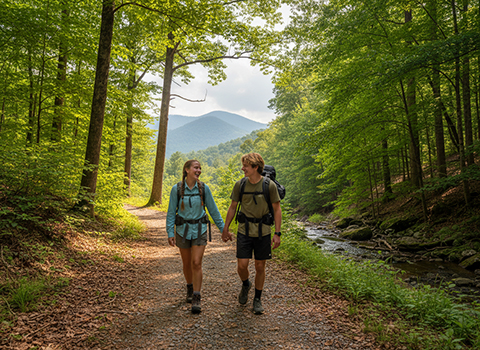
Hiking the Jones Gap Trail in Jones Gap State Park offers a peaceful and scenic introduction to the rugged landscapes of the Mountain Bridge Wilderness area. The trail follows the Middle Saluda River upstream, beginning with a wide, gently graded path that winds through dense hardwood forest. Towering trees, ferns, and rhododendron line the route, while the steady sound of flowing water creates a calm, immersive atmosphere that makes the early miles feel relaxed and inviting.
Jones Gap Trail

As the hike continues deeper into the gorge, the terrain becomes more varied, with rocky sections, root-laced stretches, and small creek crossings that add interest without becoming overly technical. The trail remains mostly shaded, making it comfortable even during warmer months, and the river provides frequent scenic pauses where hikers can watch water spilling over smooth boulders and small cascades. This section of the trail is especially rich in plant life, and spring and summer bring vibrant greens and wildflowers that highlight the park’s biological diversity.

While the Jones Gap Trail itself is often used as a connector to more strenuous routes, it is rewarding even as an out-and-back hike. The sense of seclusion increases the farther one travels, offering a quiet experience well suited to wildlife watching and reflective walking. Whether used as a gateway to backcountry adventures or enjoyed on its own, the Jones Gap Trail delivers a balanced hike with gentle grades, beautiful river scenery, and a strong sense of being immersed in one of South Carolina’s most pristine mountain environments.

Rainbow Falls Trail (Jones Gap State Park)

Hiking the Rainbow Falls Trail in Jones Gap State Park is a rewarding journey through one of the most scenic sections of the Mountain Bridge Wilderness. The hike begins along the Jones Gap Trail, following the Middle Saluda River through a cool, shaded gorge filled with towering hardwoods, mossy rocks, and thick rhododendron. The gentle sound of rushing water accompanies hikers from the start, creating a peaceful atmosphere that contrasts with the increasingly rugged terrain ahead.
 Rainbow Falls Trail

After branching off toward Rainbow Falls, the trail becomes steeper and more challenging, climbing away from the river and navigating rocky slopes and root-covered sections. Careful footing is required, especially after rain, but the surrounding forest and frequent glimpses of cascading streams make the effort worthwhile. As the elevation increases, the trail feels more remote and wild, offering a true backcountry experience despite being relatively close to the trailhead.

The destination is the striking Rainbow Falls, where water plunges dramatically over a broad rock face into a deep pool below. On sunny days, mist rising from the falls often creates vivid rainbows, giving the waterfall its name and adding a magical quality to the scene. A rocky overlook allows hikers to rest, take photos, and enjoy the cool spray before beginning the return hike. Overall, the Rainbow Falls Trail delivers a memorable combination of forest solitude, physical challenge, and one of the most beautiful waterfalls in South Carolina.

Foothills Trail (Upstate SC)

Hiking the Foothills Trail in Upstate South Carolina is an immersive journey through some of the most dramatic and diverse landscapes in the Southeast. Stretching roughly 77 miles along the Blue Ridge Escarpment, the trail winds through remote forests, deep river gorges, and rugged mountain terrain near Jocassee Gorges. From the very first miles, hikers are surrounded by towering hardwoods, dense rhododendron tunnels, and the constant presence of flowing water, giving the trail a wild and secluded feel that sets it apart from shorter regional hikes.
Foothills Trail

One of the defining features of the Foothills Trail is its remarkable concentration of waterfalls and river crossings. Hikers encounter everything from gentle cascades to major scenic highlights like Whitewater Falls, Laurel Fork Falls, and numerous unnamed drops spilling into clear mountain streams. The terrain varies widely, with long, rolling sections giving way to steep climbs and descents that test endurance, particularly in the warmer months. Well-maintained tread, bridges, and campsites make the trail approachable for backpackers, while still preserving a strong sense of backcountry adventure.

Whether tackled in sections or completed end to end, the Foothills Trail rewards hikers with solitude, sweeping views, and constant sensory engagement. Campsites are often located near water, allowing evenings to be spent listening to rushing streams beneath a canopy of stars. The trail’s mix of challenge, beauty, and remoteness makes it a standout long-distance hike in the Southeast, appealing to those seeking a deeply immersive experience in South Carolina’s most rugged mountain landscapes.

Oconee Station Falls Trail (Oconee County)

Hiking the Oconee Station Falls Trail in Oconee County offers a short but rewarding walk that blends natural beauty with rich regional history. The trail is located within the Oconee Station State Historic Site, where remnants of an 18th-century military outpost sit among rolling foothills and hardwood forest. The hike begins on a well-defined path that gently descends toward Station Cove Creek, passing through a landscape of oak, hickory, and seasonal wildflowers that makes the route especially appealing in spring and fall.
Oconee Station Falls Trail

As the trail follows the creek, the sound of flowing water grows stronger, guiding hikers toward the falls. The terrain is mostly easy, with a few rocky and root-covered sections that add character without posing much difficulty. Ferns, moss-covered stones, and shaded stream banks create a cool, tranquil atmosphere, and the clear water often reveals small fish and aquatic life. Because of its short length and moderate grade, the trail is popular with families and casual hikers, yet it still feels pleasantly tucked away from nearby roads.

The destination, Oconee Station Falls, is a picturesque cascade spilling over a broad rock ledge into a shallow pool below. The open rock face allows for excellent views and photographs, and the area invites hikers to linger and enjoy the peaceful setting. After taking in the falls, the return hike is a gentle climb back to the trailhead. Overall, the Oconee Station Falls Trail is an ideal outing for those seeking a scenic waterfall hike that combines accessibility, natural charm, and a touch of South Carolina history.

Congaree National Park – Boardwalk Loop Trail

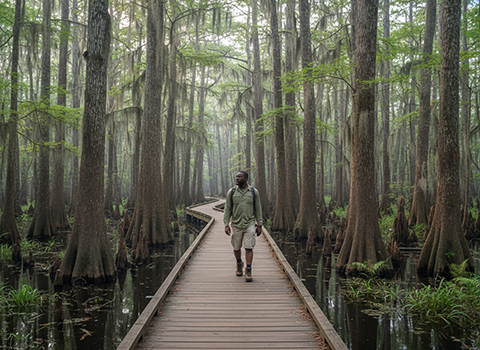
Hiking the Boardwalk Loop Trail in Congaree National Park offers a unique opportunity to explore one of the largest remaining old-growth bottomland hardwood forests in the United States. The elevated boardwalk gently winds through the park’s floodplain, allowing visitors to experience the ecosystem without disturbing the delicate soils below. From the first steps, hikers are surrounded by towering bald cypress, water tupelo, and loblolly pine, some among the tallest trees in the eastern U.S., creating a cathedral-like forest atmosphere.
Boardwalk Loop Trail

The trail is flat and highly accessible, making it suitable for hikers of all ages and abilities. Interpretive signs along the route explain the forest’s ecology, seasonal flooding, and diverse wildlife, enhancing the educational value of the walk. Depending on water levels, hikers may see standing water beneath the boardwalk, with reflections of tree trunks and drifting leaves adding to the trail’s quiet beauty. Birds, turtles, and occasional deer sightings are common, and the stillness of the swamp amplifies every natural sound..

As the loop continues deeper into the forest, the sense of isolation grows despite the trail’s proximity to the visitor center. Sunlight filtering through the canopy creates shifting patterns on the boardwalk, especially striking in early morning or late afternoon. The Boardwalk Loop Trail may be short and easy, but it delivers a deeply immersive experience, offering a rare and memorable glimpse into the rich, flood-shaped landscape that defines Congaree National Park.

Chimney Top Gap Trail (Table Rock State Park)

Hiking the Chimney Top Gap Trail in Table Rock State Park offers a quieter, more gradual mountain experience compared to the park’s famous summit routes. The trail begins near the main park area and immediately enters a shaded hardwood forest, where tall oaks, hickories, and mountain laurel line the path. With a steady but moderate incline, the trail feels approachable while still giving hikers a clear sense that they are climbing into the foothills of the Blue Ridge Escarpment.
Chimney Top Gap Trail

As the hike continues, the terrain becomes more varied, with rocky sections, exposed roots, and occasional stone steps that require mindful footing. The forest remains dense and cool, making the trail especially enjoyable during warmer months, and seasonal wildflowers add color in spring. This route is often used as a connector to longer hikes, such as routes toward Table Rock or Pinnacle Mountain, but it is rewarding on its own for those seeking a peaceful, less crowded walk through classic Upstate mountain scenery.

Near Chimney Top Gap, the trail opens slightly, offering glimpses of surrounding ridgelines and a sense of elevation gained without the intensity of a summit climb. The gap itself feels tucked away and serene, making it a pleasant turnaround point or rest stop before continuing onward. Overall, the Chimney Top Gap Trail provides a balanced hike—moderately challenging, scenic, and tranquil—ideal for hikers who want to experience the beauty of Table Rock State Park without tackling its steepest ascents.

Sassafras Mountain Trail

Hiking the Sassafras Mountain Trail offers a short but memorable climb to the highest point in South Carolina. Located along the South Carolina–North Carolina border, the trail ascends through cool, shaded forest dominated by hardwoods, mountain laurel, and seasonal wildflowers. The path is well maintained and clearly marked, making it accessible to a wide range of hikers while still providing the rewarding feeling of gaining elevation in the Blue Ridge Escarpment.
Sassafras Mountain Trail

The hike is relatively brief but moderately steep, with sections that steadily climb toward the summit. As you approach the top, the forest begins to thin, and cooler breezes hint at the elevation change. The trail’s manageable length makes it popular with families and casual hikers, yet the uphill grade still delivers a satisfying workout. Along the way, birdsong and rustling leaves replace road noise, reinforcing the sense of being immersed in a mountain environment despite the trail’s accessibility.

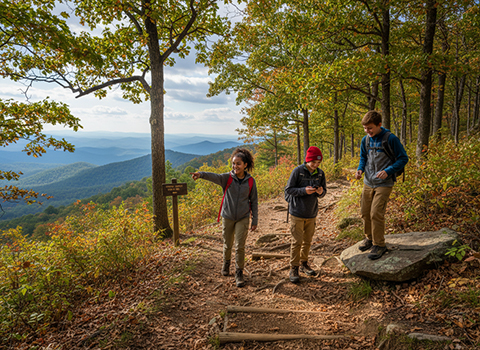
At the summit of Sassafras Mountain, hikers are rewarded with expansive panoramic views stretching across the Appalachian foothills into both South Carolina and North Carolina. An observation tower and viewing platforms provide unobstructed vistas, making the summit especially striking at sunrise or sunset. The combination of an easy-to-follow trail, cool mountain scenery, and one of the best viewpoints in the state makes the Sassafras Mountain Trail a standout hike for anyone exploring the Upstate region.

Huntington Beach State Park Trails

Hiking the trails at Huntington Beach State Park offers a distinctly coastal experience that contrasts sharply with South Carolina’s mountain hikes. The park’s flat, well-maintained trails wind through maritime forest, salt marsh, and freshwater lagoon environments, creating an ever-changing landscape shaped by tides and coastal weather. Live oaks draped in Spanish moss, palmettos, and pine forests provide shade and a strong sense of Lowcountry character from the moment hikers step onto the trail.
Huntington Beach State Park Trails

Much of the hiking here follows boardwalks and wide paths, making the trails accessible and easy to navigate for hikers of all ages and abilities. The causeway and lagoon-side trails are especially popular, offering close-up views of birds, turtles, and occasionally alligators basking near the water’s edge. Because the terrain is flat and open, hikers are encouraged to move slowly and observe their surroundings—this is a place where wildlife viewing is often the highlight rather than elevation gain or physical challenge.

What truly sets Huntington Beach State Park Trails apart is the opportunity to experience a rich coastal ecosystem up close. Wading birds, shorebirds, and migratory species are common sights throughout the year, making the park a favorite destination for birdwatchers. Gentle sea breezes, the sound of surf in the distance, and sweeping marsh views give these trails a calm, reflective quality. Overall, hiking at Huntington Beach State Park is less about strenuous effort and more about immersion in one of South Carolina’s most diverse and visually striking coastal environments.